
Myths About Paintless Dent Repair: What’s True and What’s Not
Paintless Dent Repair (PDR) is a popular method for fixing dents without disturbing the original paint job. However, there are many myths about this technique that can lead to misunderstandings. Here, we’ll explore what's true and what’s not about PDR.
Myth 1: PDR Can Fix Any Dent
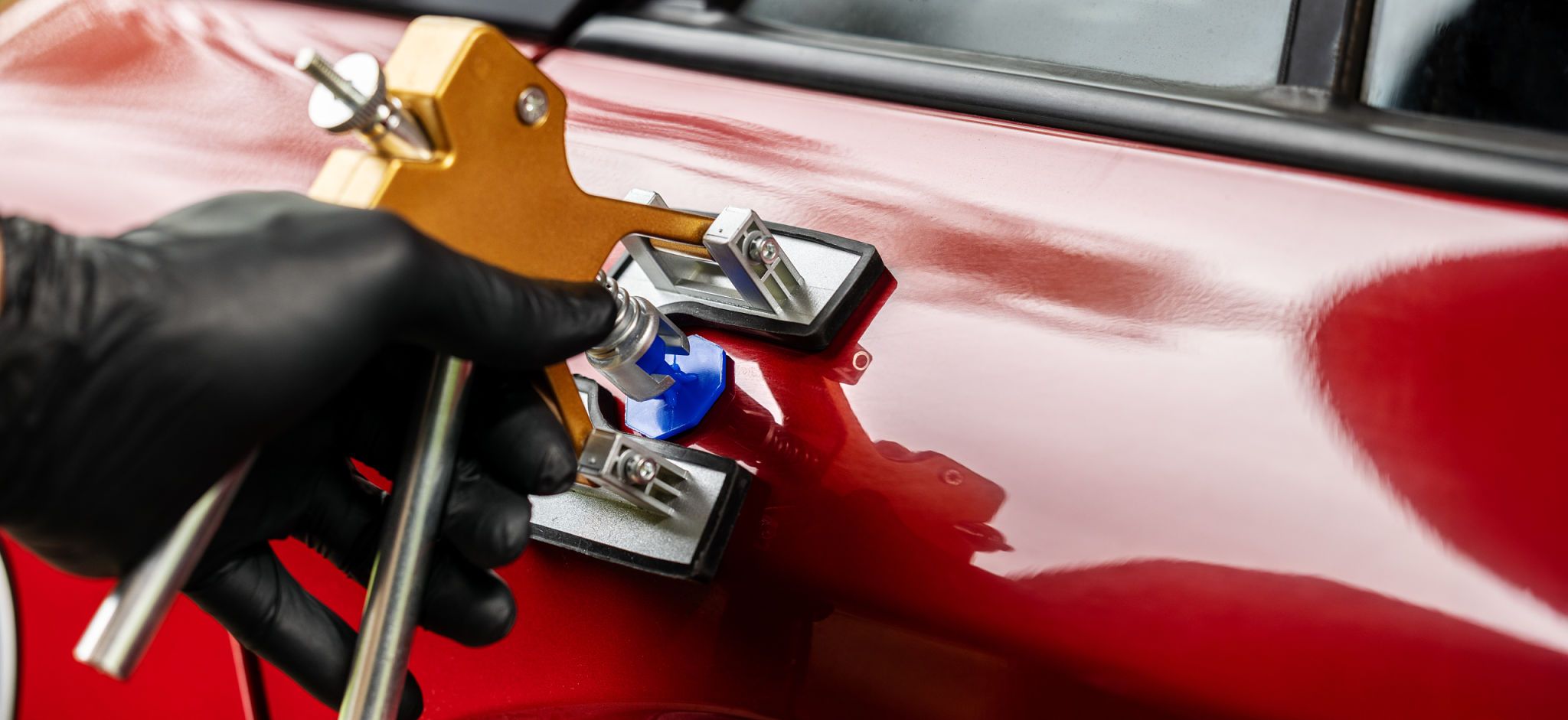
One common misconception is that PDR can fix any dent, regardless of size or location. This is not entirely true. PDR is most effective for minor dents and dings where the paint has not been chipped or cracked. Large dents or those with significant paint damage may require traditional repair methods.
Understanding the Limitations
While PDR is incredibly effective, its success depends on several factors, including the dent's depth and accessibility. Some areas of a car may be difficult to reach, making PDR less feasible.
Myth 2: Paintless Dent Repair Is Expensive
Another myth is that PDR is more expensive than traditional methods. In reality, PDR is often more cost-effective because it requires less time and materials. Since no painting or fillers are needed, customers can save money while maintaining their vehicle's original finish.

Cost Comparison
Traditional dent repair can involve extensive labor and material costs. In contrast, PDR typically takes less time, reducing labor expenses. This makes it an attractive option for those looking to save money on car repairs.
Myth 3: PDR Is a DIY Job
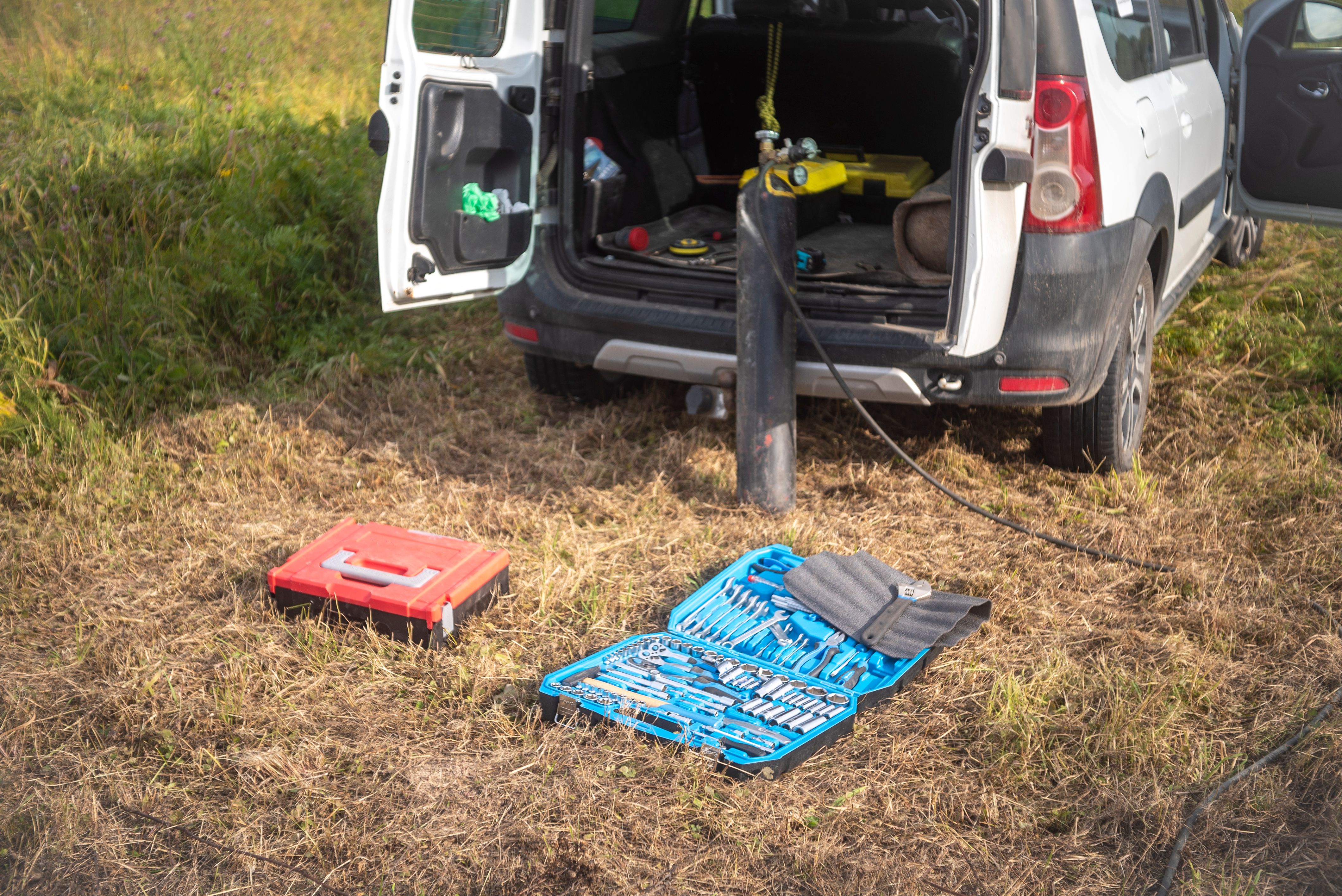
Some people believe they can perform PDR themselves with the right tools. However, this is not recommended. PDR requires specialized skills and knowledge to ensure the dent is removed without damaging the paint.
The Importance of Professional Expertise
Professional technicians are trained to assess the damage and use the correct techniques to restore the vehicle’s appearance. Attempting DIY PDR can lead to further damage and higher repair costs in the long run.
Myth 4: PDR Doesn’t Work on Older Cars
It's a misconception that PDR is only effective on newer cars with modern paints. In fact, PDR can be used on older vehicles as long as the paint condition is suitable. The age of the car does not necessarily affect the feasibility of PDR.
Evaluating Paint Condition
The key factor is the condition of the paint. If the paint is intact and flexible, PDR can be a viable option regardless of the vehicle’s age.
In conclusion, while there are several myths about Paintless Dent Repair, understanding the facts can help car owners make informed decisions. PDR remains a valuable and cost-effective solution for minor dents and dings, preserving the original look of your vehicle.